Insects and soil-borne pathogens play a significant role in crop damage. By penetrating plants through their root systems, these pests cause various diseases, with symptoms ranging from seedling mortality and shriveling to unexplained dehydration.
Because these pathogens reside dozen of centimetres deep in the soil, they are notoriously difficult to eliminate. Without proper treatment, they can persist for years, making the land unsuitable for sensitive crops. Their activity is further influenced by the soil’s physical properties and the surrounding microbial ecosystem.
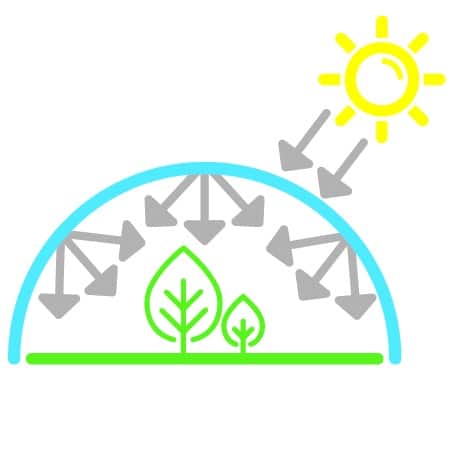
Modern intensive agriculture, often involving continuous cropping on the same land, creates ideal conditions for these diseases to proliferate and cause extensive damage. To combat this, several soil fumigation methods are used, most notably Chemical Fumigation and Solarization.