
Sustainability and recycling cradle to cradle – Engineering the Future of Circular Solutions
Our vision – Recycle similar tonnage of used Agrifilms to Politiv’s Group global annual production output, enabling as to achieve nearly full Circular Solutions.
Process – Advanced chemical recycling, primarily using pyrolysis, a high-heat process that breaks down non-mechanically recyclable plastics into pyrolysis oil, a valuable feedstock for creating new, high-quality circular polymers (like Repsol Reciclex®), suitable for demanding uses like food packaging, while reducing virgin resource dependency and carbon footprint.
Our Global Impact
Today, the Politiv Group processes 72,000 tons of polymers every year across
our global facilities:
- Politiv
Israel (Film Plant):
45,000 tons
- Politiv-Mexico
(Film Plant):
20,000 tons
- GreenNets
Israel (Netting Plant):
7,000 tons
Our Commitment to
Sustainability
At Politiv, recycling and sustainability drive everything we do. We are
actively expanding our green footprint through advanced recycling methods:
- Chemical
Recycling: Our specialized plant in Spain currently
processes 18,000 tons per year.
We aim to grow this to 60,000 tons within a few years.
- Mechanical
Recycling: Our GreenNets site processes 7,200 tons of PCR
(Post-Consumer Recycled) material each year.
Our Commitment to
Green Energy
We are proud to announce that our factory has completed a major energy
efficiency upgrade.
As part of our mission
to protect the planet, we have switched to smart, eco-friendly machinery and
high-efficiency LED lighting across all our facilities.
By reducing our power
use and carbon footprint, we are not just making our operations smarter—we are
building a cleaner, more sustainable future for our community.
- 1. Chemical Recycling/Pyrolysis
1. Waste Input:
They take mixed plastic waste, especially hard-to-recycle Agriculture film types.
2. Pyrolysis:
This waste is heated to high temperatures (300-900°C) without oxygen, breaking it down into a mix of oils, gases, and char.
3. Oil & Gas Utilization:
The resulting pyrolysis oil and gases become new raw materials for their petrochemical processes.
4. Circular Products:
This feedstock is used to produce new plastics (polyolefins, polyols) with the same quality as virgin materials, branded as Repsol Reciclex®, used in automotive, packaging, and more.
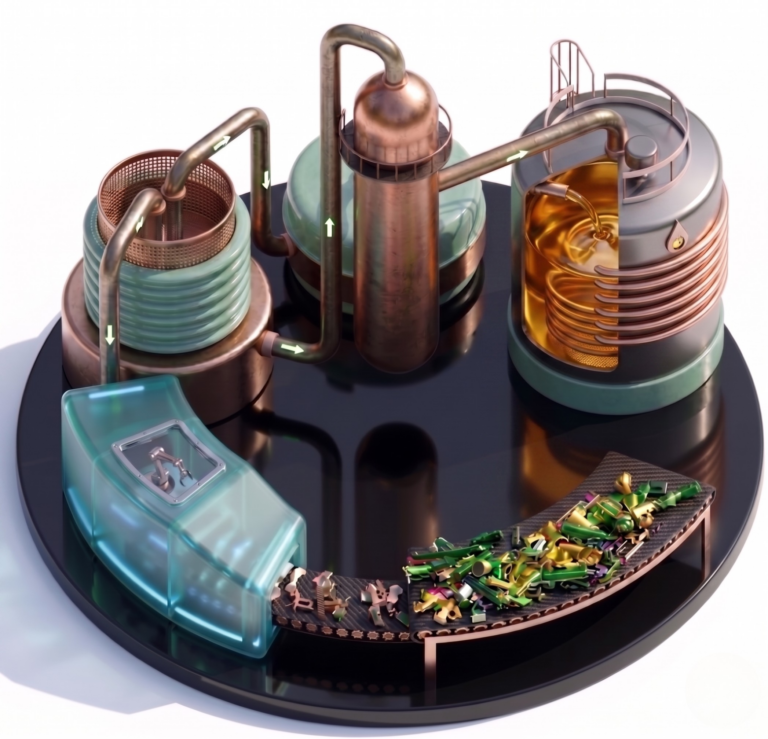
1. Hot Melt Pump
The plastic is heated until it becomes a plastic melt, and is pumped to the reactors.
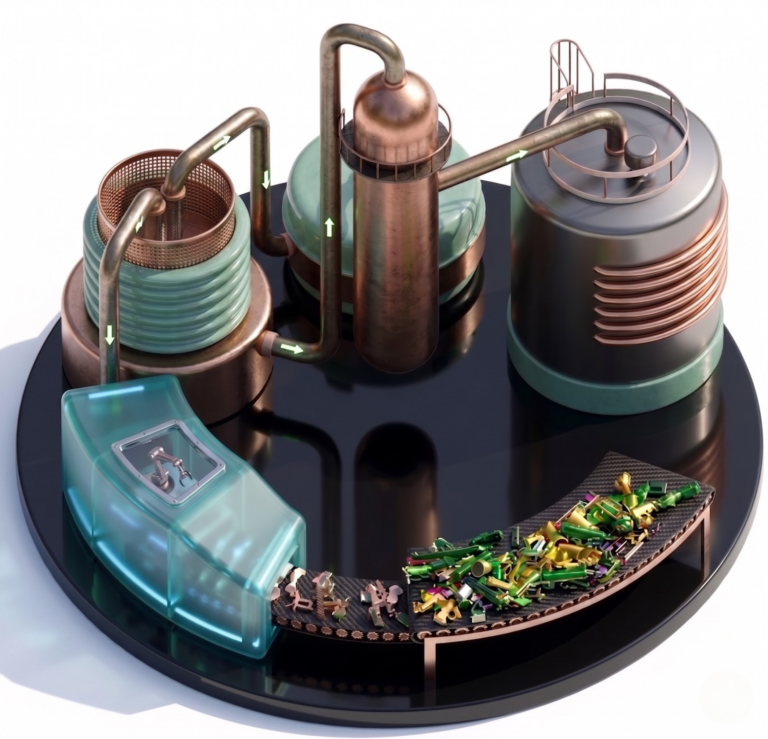
2. Reactor
The plastic melt is further heated (in the absence of oxygen) and changes from liquid to vapour. A small portion of solids are extracted as char.
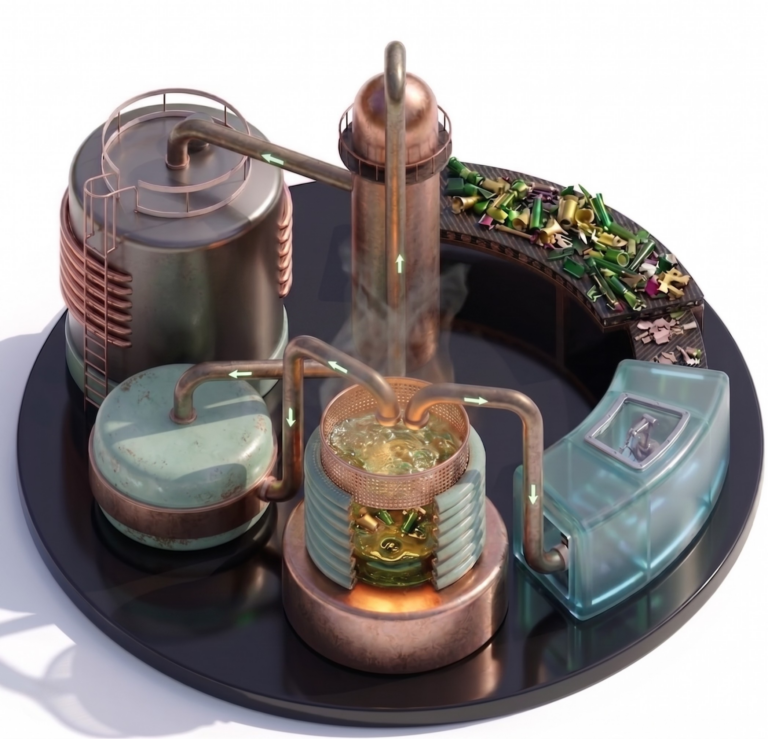
3. Contactor
The vaporized molecular chains are selected and act as a filter
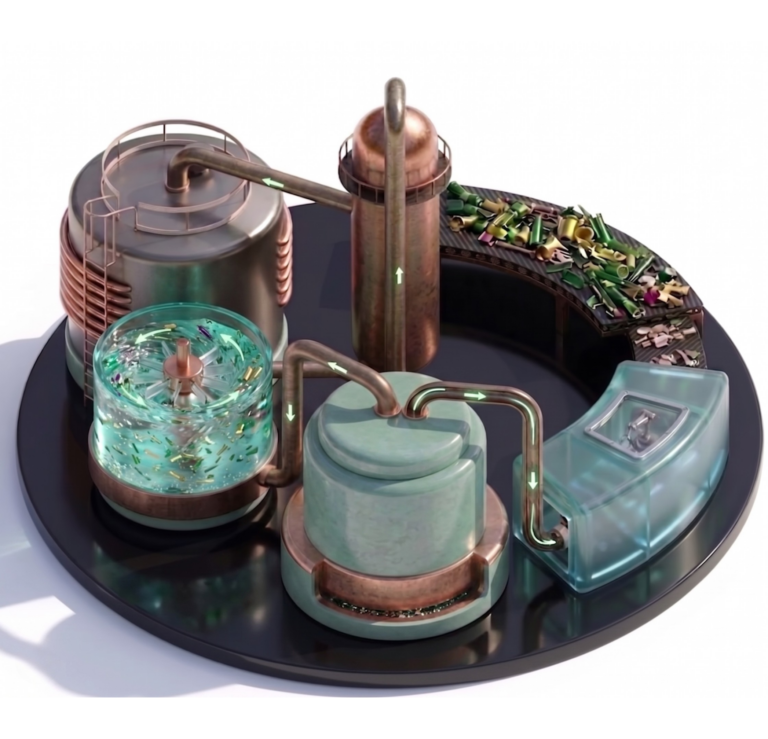
4. Condensation
Condensed vapours are refined through a series of separators and filtration steps, creating a synthetic oil which is a feedstock for new plastics.
The synthetic gas is used to heat the reactors.
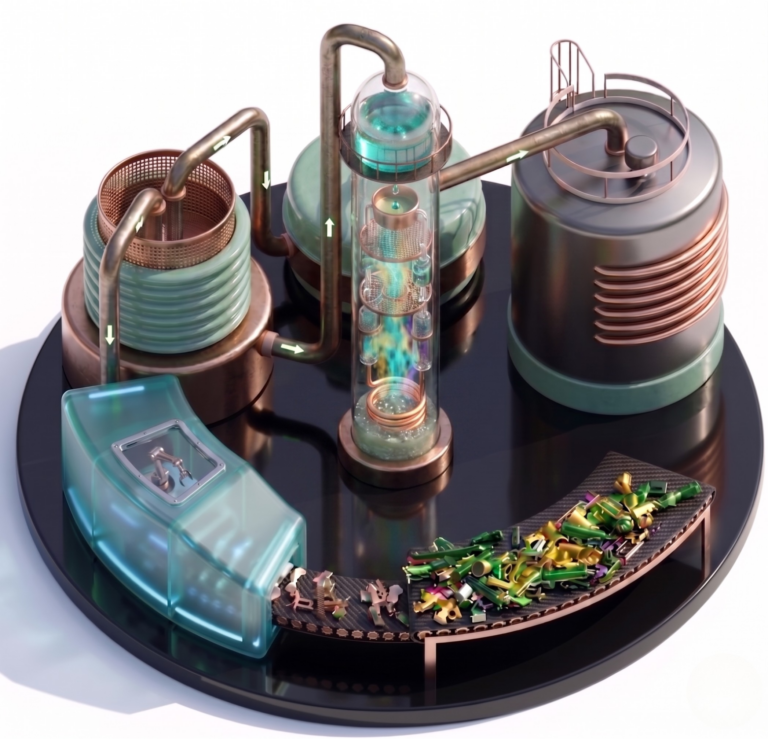
5. Storage
The synthetic output, is stored for sale to our petrochemical partners such as Repsol
- 2. Mechanical recycling
Our facility leads the way in high-capacity circularity by mechanically recycling 10,000 metric tons of plastic films annually through an advanced in-house process.
This mechanical recycling system, encompassing grinding, washing, and re-granulating is highly energy-efficient, requiring significantly less energy and producing a smaller carbon footprint than chemical alternatives.
To ensure the highest standards of transparency and quality, our operations are strictly audited to maintain Post-Consumer Recycled (PCR) certification.
This certification verifies that our output is derived from genuine consumer waste, providing a reliable, traceable, and eco-friendly resin that helps our partners meet global sustainability targets and comply with evolving environmental regulations.
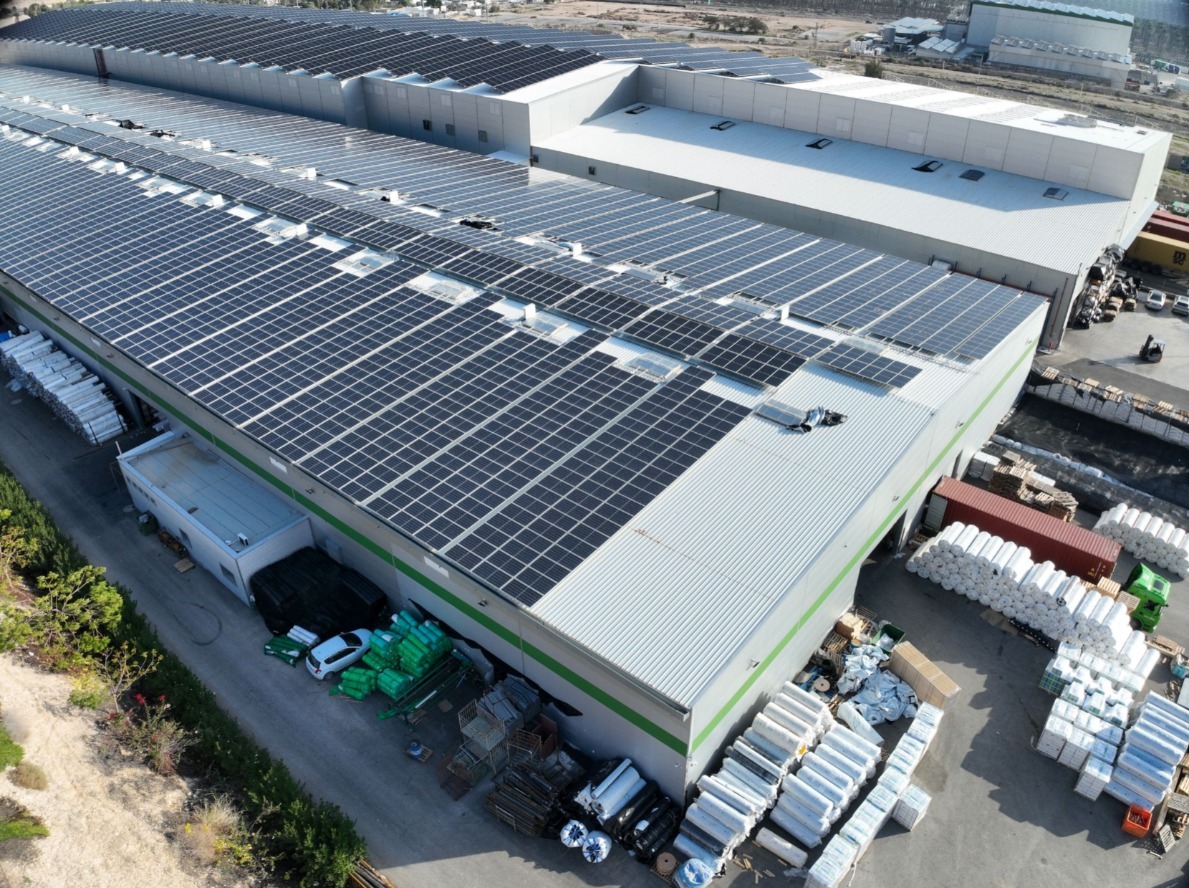
- 3. Solar Panels
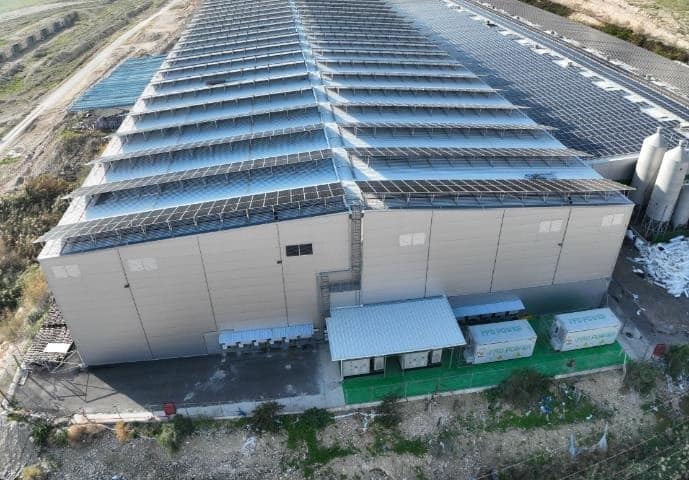
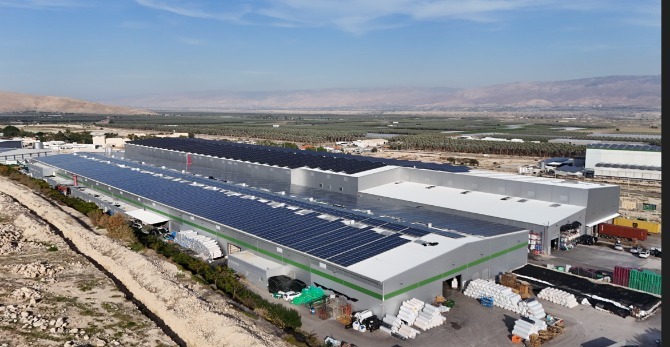
At Greennet, we are committed to a sustainable future by powering our factory operations with clean, renewable energy.
By integrating high-efficiency solar panels across our facility, we are able to supply a significant portion of our own electricity consumption, directly reducing our reliance on the national grid.
In 2026, this transition allows us to lock in predictable energy costs for decades, protecting our operations from market volatility while significantly lowering our carbon footprint.
Our on-site solar installation not only enhances our operational efficiency but also serves as a visible testament to our environmental responsibility, ensuring that the products we manufacture are backed by a truly green energy strategy.
To further enhance our energy independence, Greennet has integrated an advanced battery storage system that captures and stores excess solar energy generated during the day. By bridging the gap between generation and consumption, our battery storage maximizes the efficiency of our solar installation, allowing Greennet to operate on a 24/7 sustainable energy cycle while further reducing our carbon emissions.
- 4. Waste water recycling
Greennet is advancing its “Zero-Waste Water” initiative by implementing a state-of-the-art filtration and recovery system to recycle industrial wastewater.
Instead of discharging this byproduct, we treat it to high quality standards for reuse in on-site drip irrigation.
This precise method delivers moisture and reclaimed nutrients directly to the root zone, reducing freshwater consumption by up to 50%.
Our plans include expanding this smart network to nourish surrounding green belts and local agricultural plots, transforming our factory into a decentralized water resource that strengthens local climate resilience and ecological health.